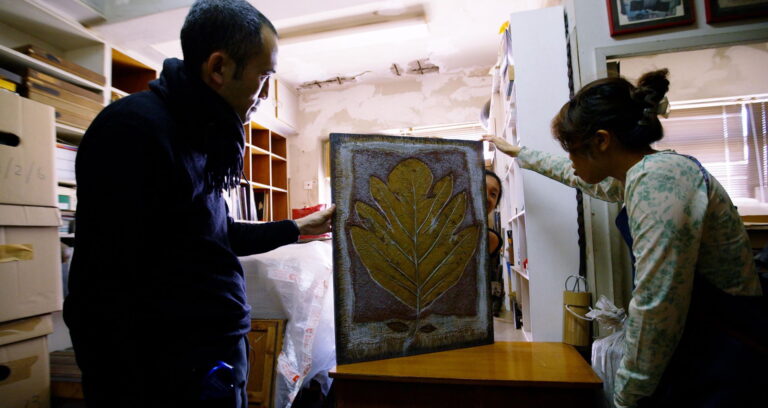
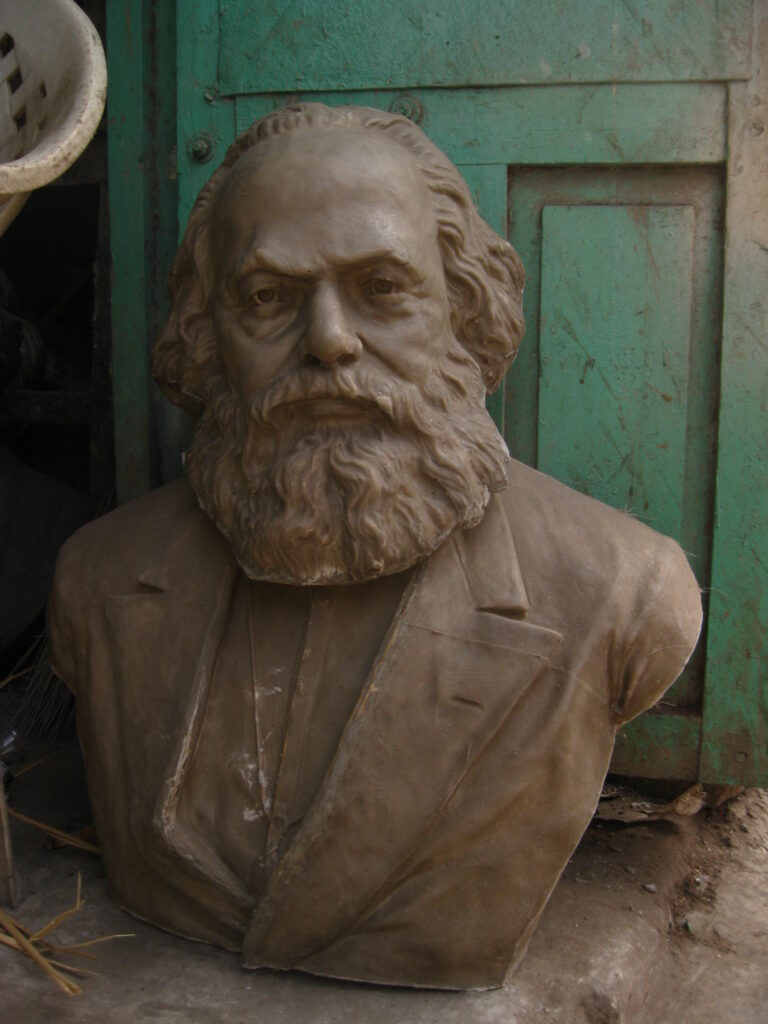
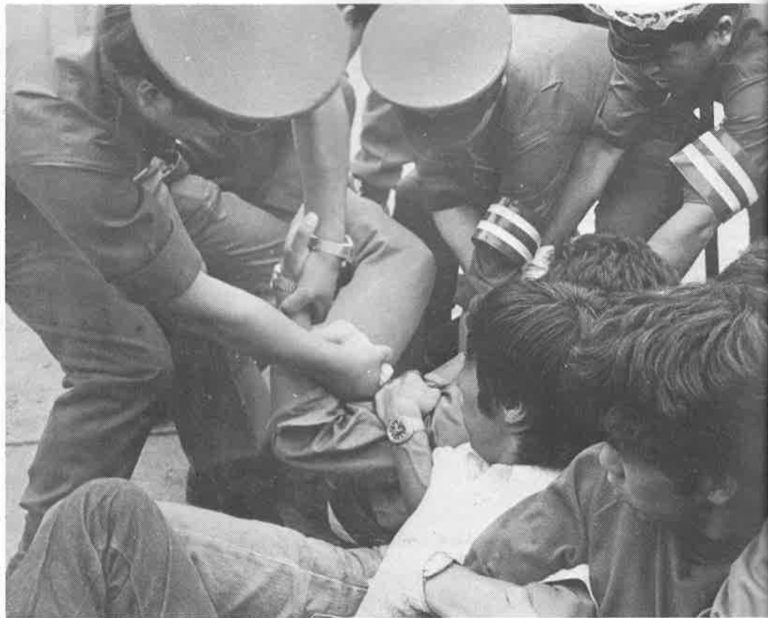
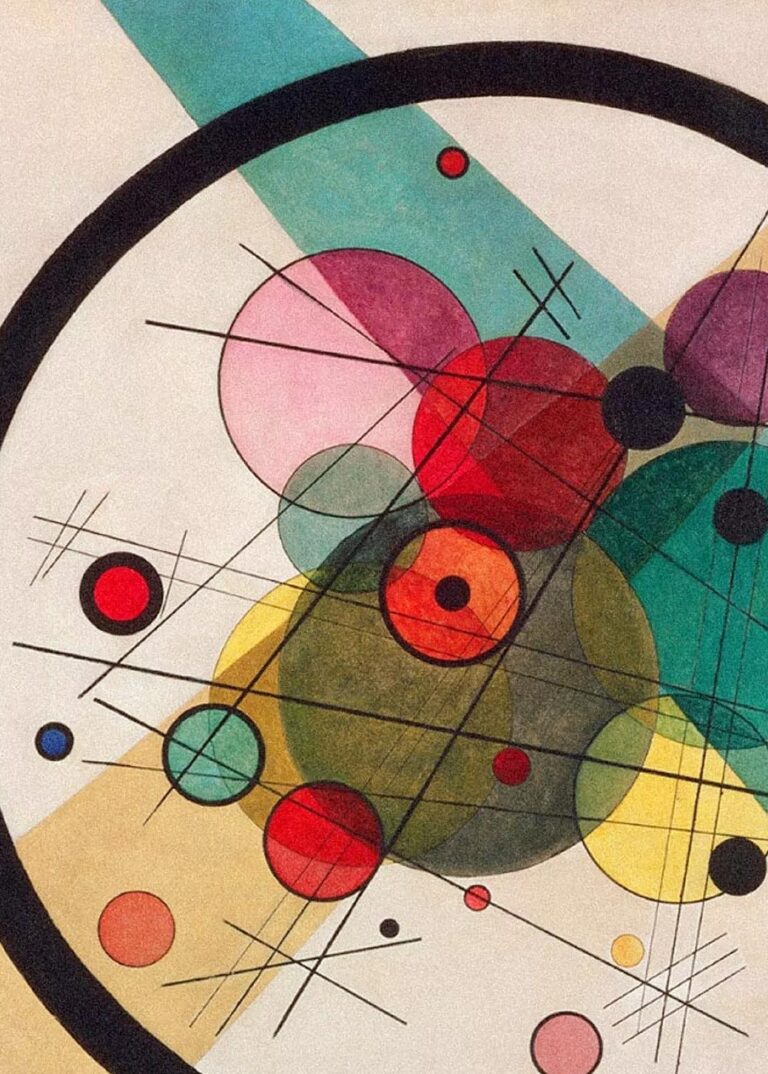
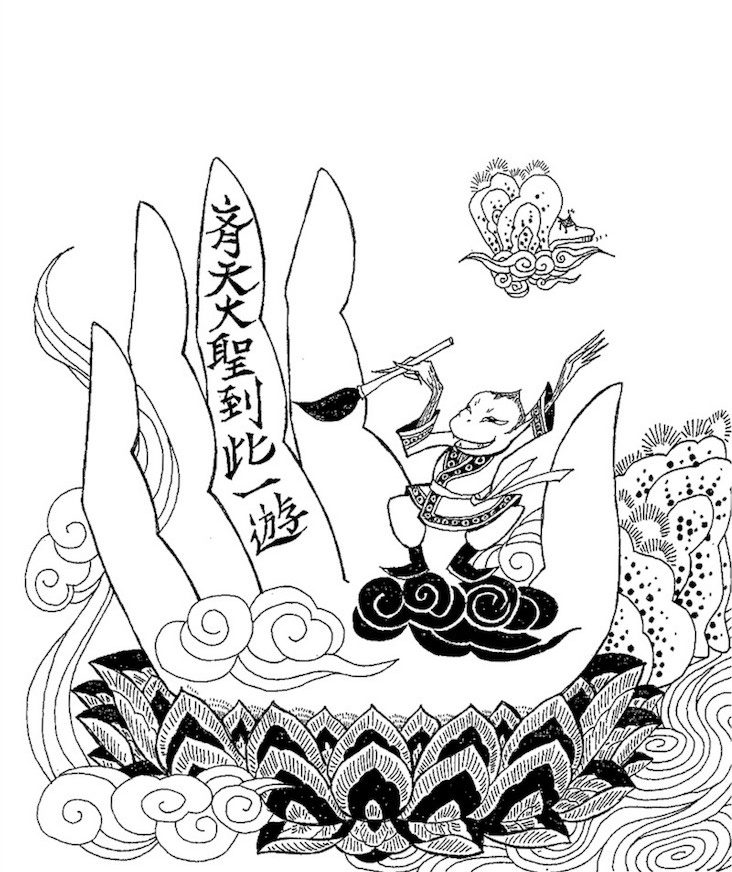
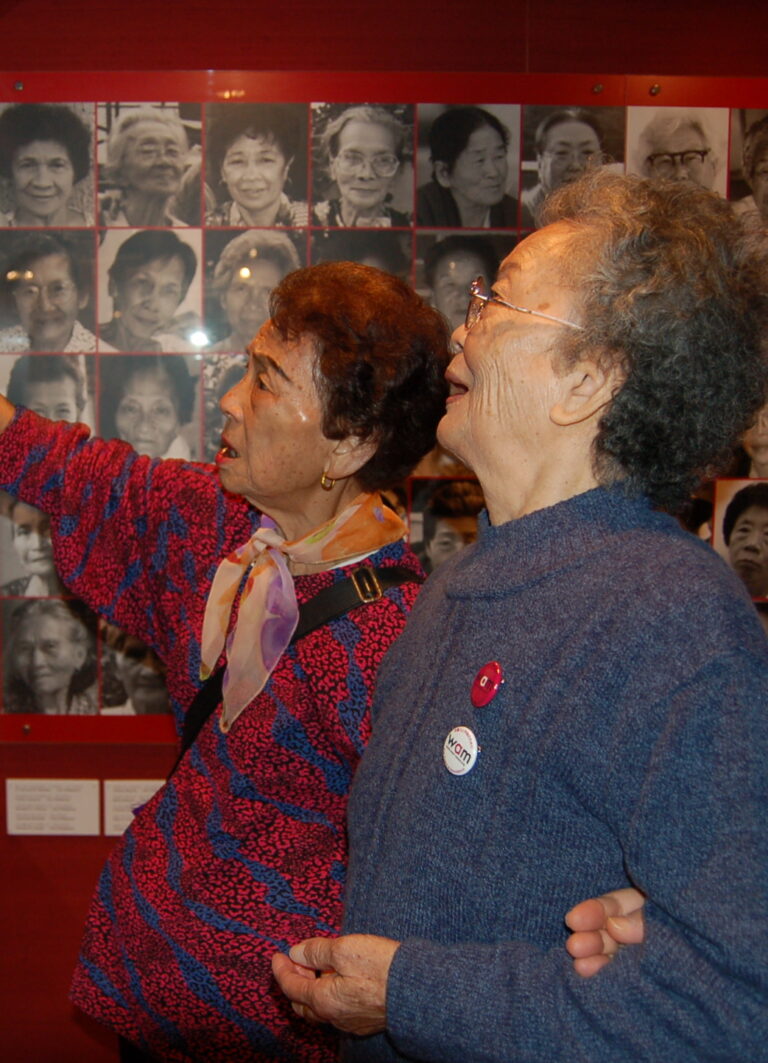
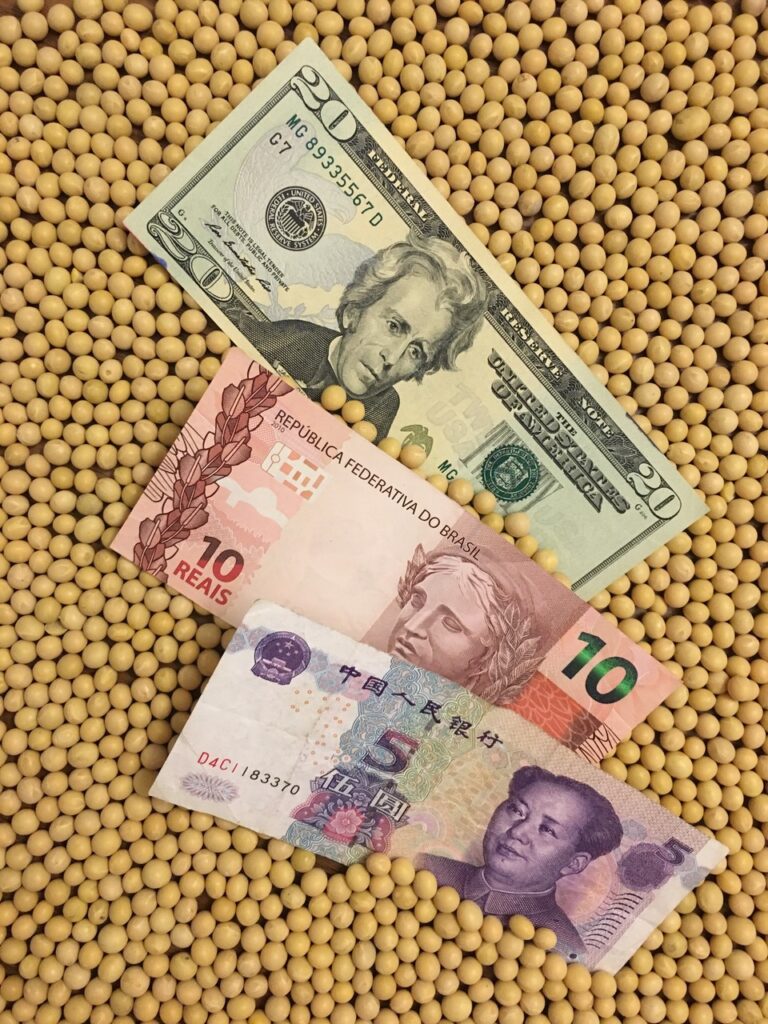
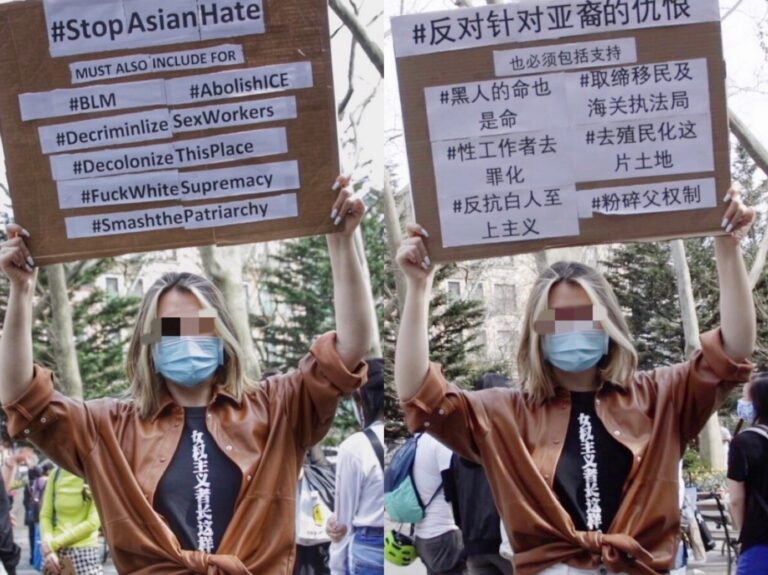
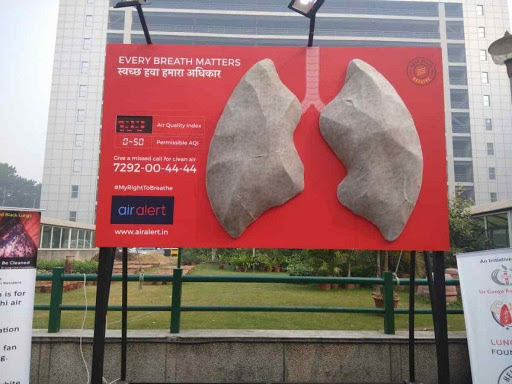
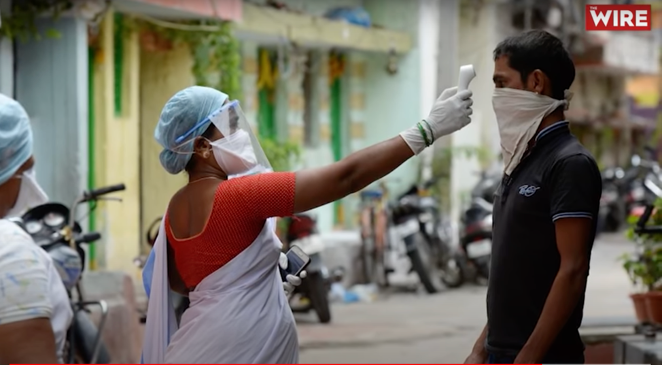
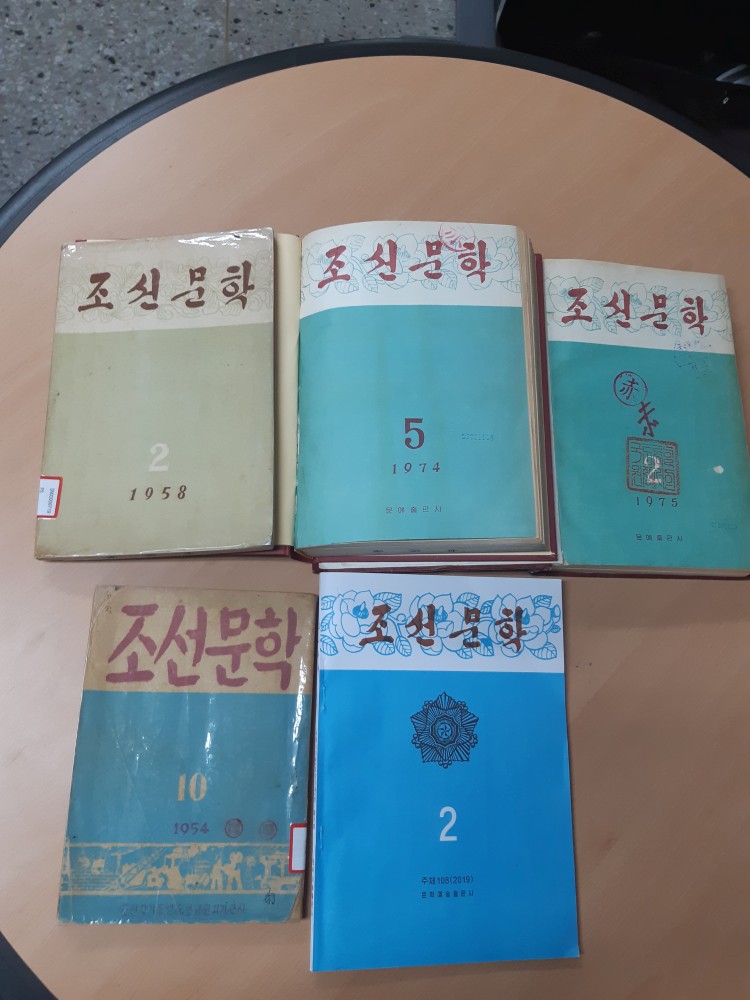
These photos accompany and expand upon an essay in the latest, and special, issue of our sister print journal, positions: asia critique entitled Neng and China’s Long 1980s: A Reevaluation.
In August 2025, a dramatic wave of demonstrations swept multiple cities in Indonesia. Originating in Jakarta and its surrounding areas, it quickly spread to dozens of other cities across the...
On October 2nd, 2025, Donald Trump dispelled any lingering doubts about his relationship to the überconservative policy positions laid out by the Heritage Foundation’s “Project 2025.” Rowing back on his...
Editorial Note: This is a summary introduction to a longer essay Prof. Morris-Suzuki wrote in rebuttal to Harvard’s Mark Ramseyer. She has embedded hyperlinks to her original essay. The international...
As campuses reopen, academics reflect on teaching under repression, surveillance, and the ongoing U.S.-funded genocide in Gaza, calling for courage, solidarity, and genuine education....
episteme issue 11 explores Chinese labor history through class consciousness, labor activism, and worker democracy from the late-Qing period to the post-Mao era.
These photos accompany and expand upon an essay in the latest, and special, issue of our sister print journal, positions: asia critique entitled Neng and China’s Long 1980s: A Reevaluation.
As campuses reopen, academics reflect on teaching under repression, surveillance, and the ongoing U.S.-funded genocide in Gaza, calling for courage, solidarity, and genuine education.
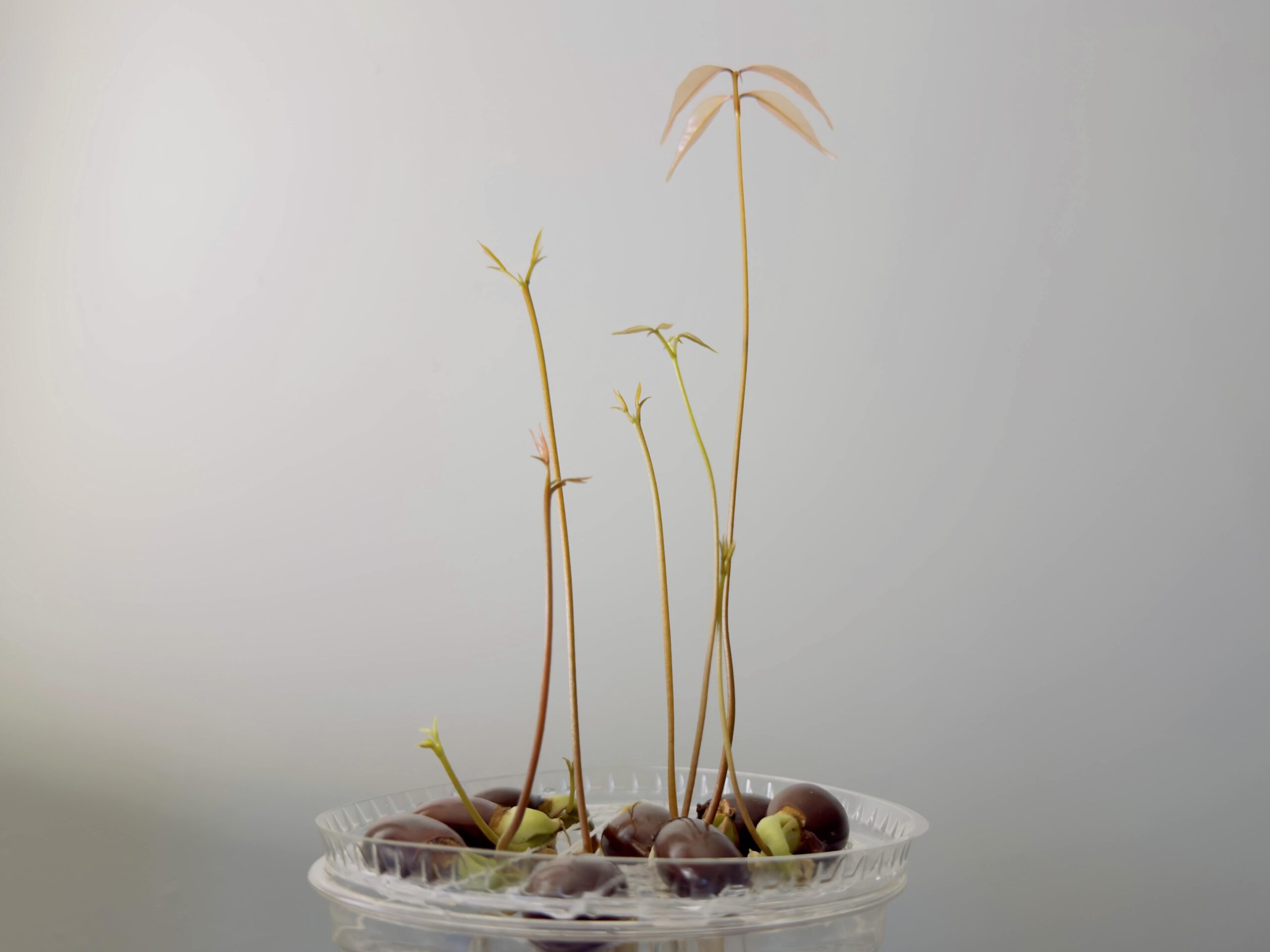
Siyu Xie shows how lychee fans grow pink leaves in dim light, rethinking green as ecology’s dominant color.
“Asia Sunrise” (1957) is a travel essay by the revolutionary writer Yang Shuo that recounts his visit to Port Said in Egypt after the Suez Crisis. Yang Shuo depicts everyday Egyptians engaged in a heroic struggle for national liberation — and China’s solidarity with their efforts.
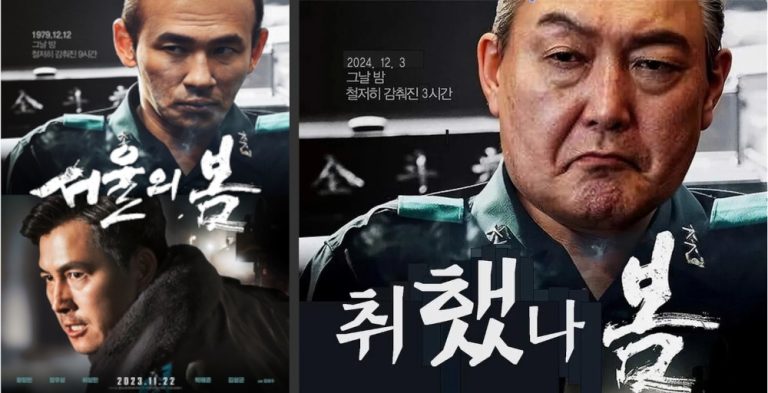
Junho Peter Yoon offers a critical analysis of the film 12.12: The Day (2023) in light of the current political crisis in South Korea after the December 2024 martial law declaration.
This issue explores Chinese labor history through class consciousness, labor activism, and worker democracy from the late-Qing period to the post-Mao era.
In spring of 2024, a group of student organizers and community members at UCLA (University of California, Los Angeles) built and ran a Palestine Solidarity Encampment on the plaza in front of Royce Hall.
Mu Cao 墓草 (b.1974, Henan, China) is a contemporary Chinese poet of working-class background. His poems explore queer desire and working-class life on the fringe of Chinese society.
Tani Barlow’s In the Event of Women and Suzy Kim’s Among Women across Worlds explore feminist historiography’s methodological innovations, reshaping Asian studies by uncovering complex histories of women’s political engagement. A Johns Hopkins event on October 26, 2023, brought the authors together with scholars to discuss these groundbreaking works.
This piece explores how public health campaigns in Singapore surrounding diabetes stigmatize and shame individuals and ethnic communities. It also highlights the potential for reclaiming this shame to challenge ineffective, individualizing public health approaches and their underlying narratives.
In the Fall of 2023, Ph.D. students in East Asian Studies and Near Eastern Studies at Princeton launched the East Meets East film series. Curating films from multiple locations across disciplinary and national boundaries, East Meets East aims to interrupt compliance with the colonial knowledge system and ongoing violence against occupied subjects.
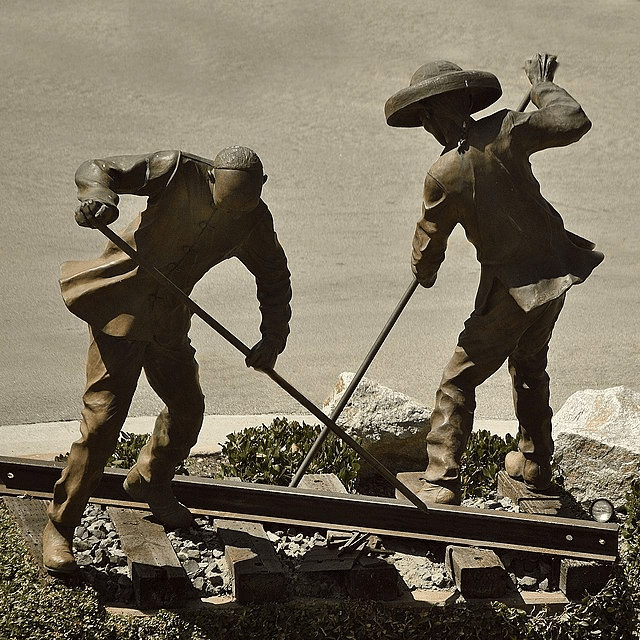
The essays in this collection approach Maoism as a traveling theory, highlighting how Maoism was interpreted and implemented in a variety of contexts outside of socialist China.
The politics and poetics of crossing borders come through beautifully in democracy activist Mun Ik-hwan’s calls for Korean reunification in his 1989 poem “Sleep Talking Which Isn’t Sleep Talking.” Its radical message continues to be relevant in light of current setbacks to inter-Korean relations and peace in the Middle East.
In this pandemic-set short story, a Chinese-American protagonist contends with questions of identity and belonging, leading up to a dramatic ending.
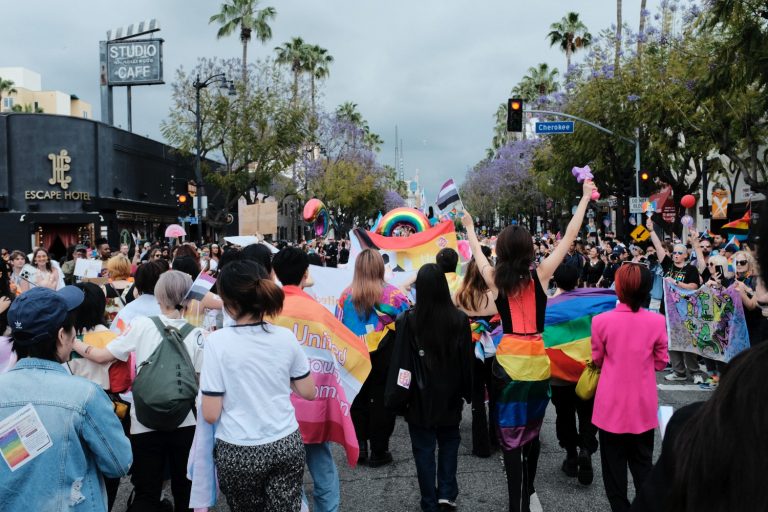
United Proud Women takes cues from queer politics to boost sexual minority women through knowledge systems, community networks, and transnational coalitions.
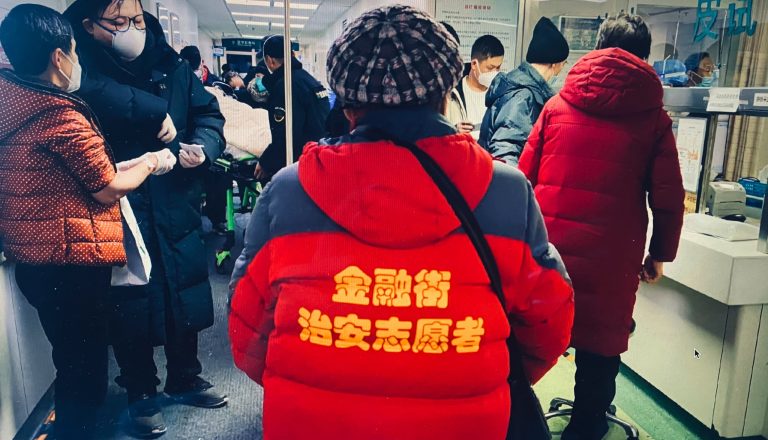
This account documents the author’s challenges getting her father-in-law’s body released from the hospital after dying from COVID and being accepted by a funeral home during the current COVID surge.
A follow-up roundtable, one year after the publication of Tani Barlow’s In the Event of Women (Duke University Press, 2022), to discuss how to reposition feminist critique historically in light of the methodology and arguments Barlow advances in her book in the spirit of voluntary and continuous action.
On December 10, 2022, award-winning Chinese science fiction writer Han Song began documenting his struggle with COVID-19 on his Weibo account. Han Song’s “Covid Diary,” which was accompanied by various pictures he took with his cellphone, went viral online.
A group of UCLA students undertook a performance art practice in response to and in support of the ongoing White Paper Revolution in China.
M.E. O’Brien discusses family abolition and her 2022 sci-fi novel “Everything for Everyone: An Oral History of The New York Commune, 2052-2072”.
episteme issue 9 presents a symposium on Ken Kawashima’s new translation and edition of Uno Kozo’s classic Theory of Crisis (1953).
Fieldwork (le terrain) is not a simple act of “discovering” but rather a much more complex process, one that manifests itself over time and involves the researchers themselves.
This issue offers a new perspective on indigeneity and encourage us to consider the ways in which settler colonialism continues to play a major role in extractive capitalist projects, land dispossession, and political domination in “Asia.”
There’s an impulse to reflect, to take stock, heightened by these crisis times. This issue takes a critical look at the methods and sources we use to produce knowledge and showcases new disciplinary methods applied both specifically to North Korea and more broadly.