Introduction:
The Politics of Internationalist Children’s Literature in the Cultural Revolution
By: Brian W. L. (a student)
Edited by: Rebecca Karl
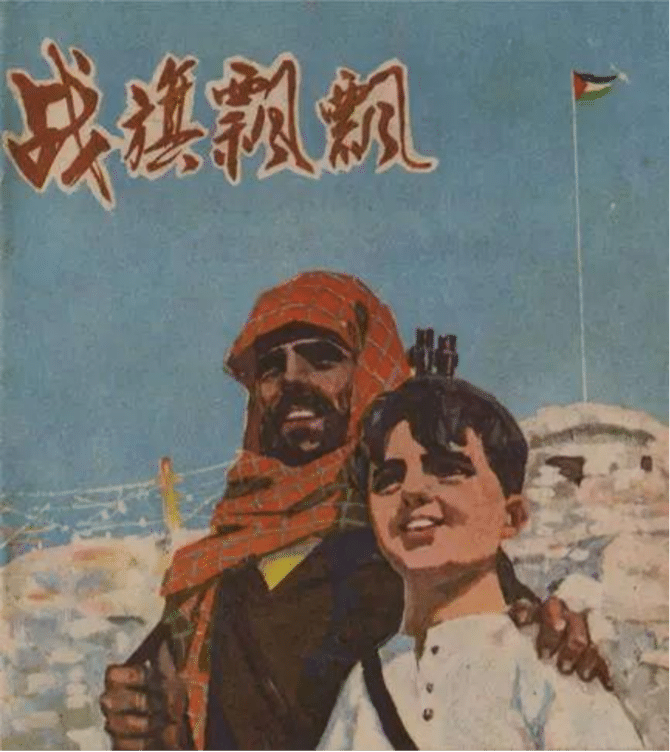
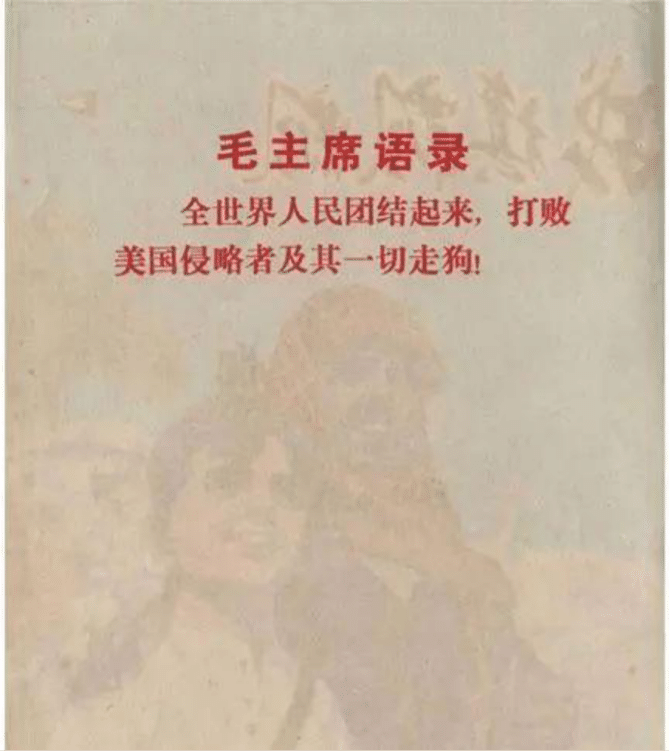
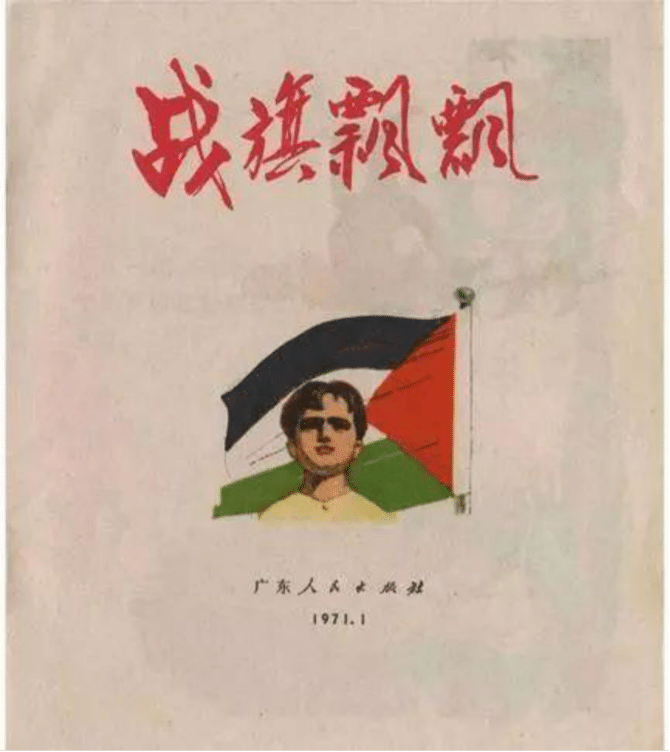
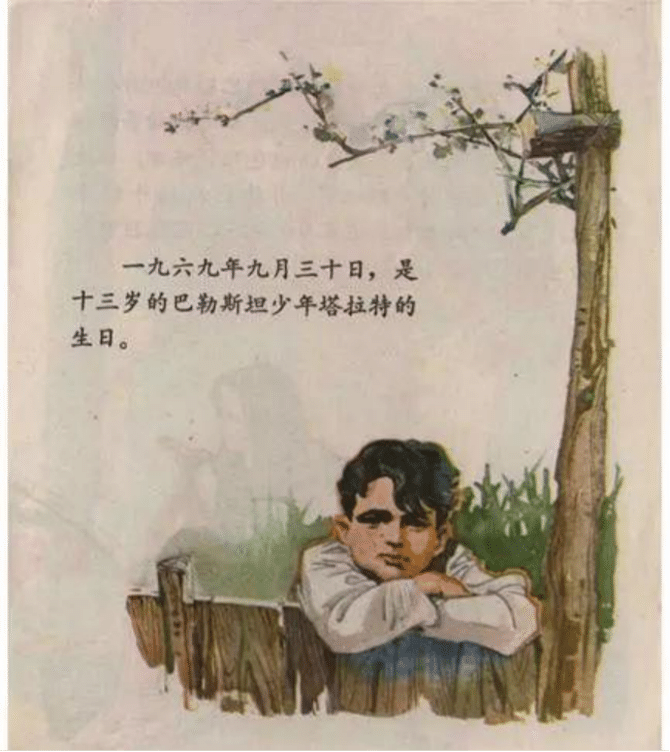
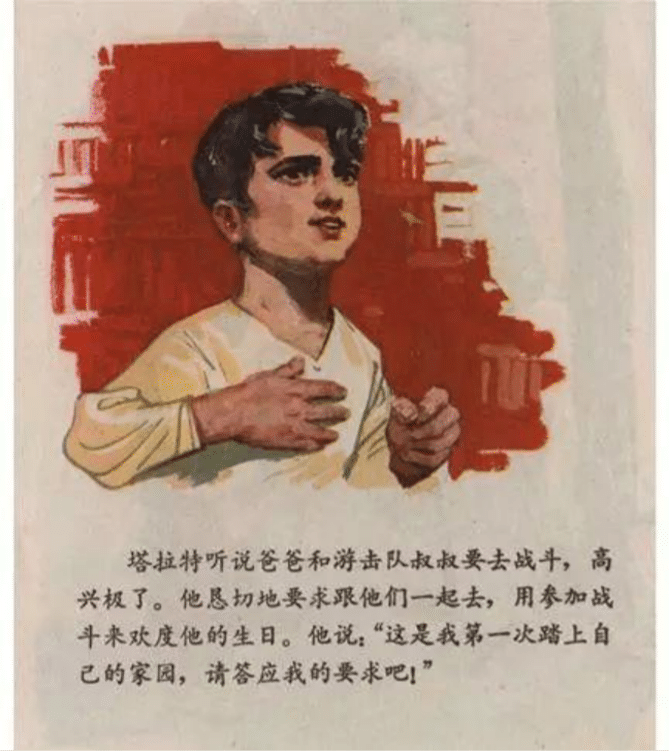
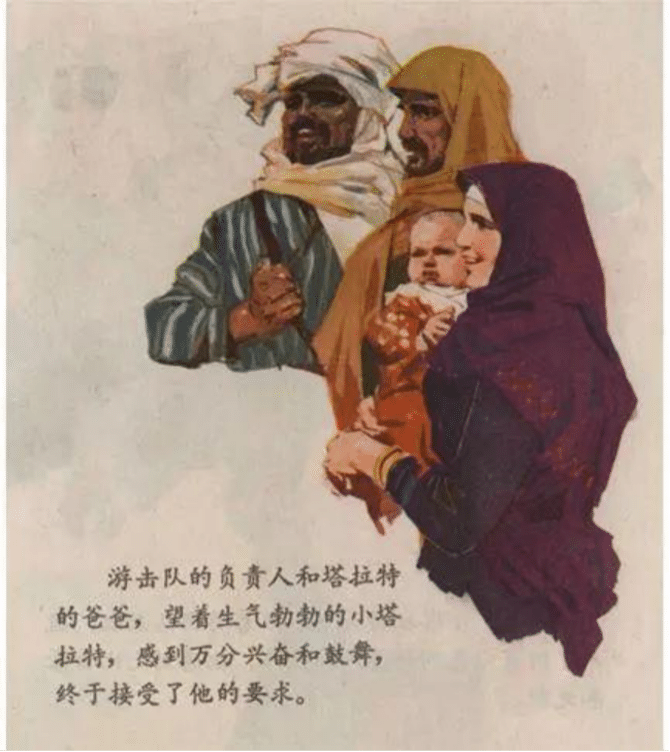
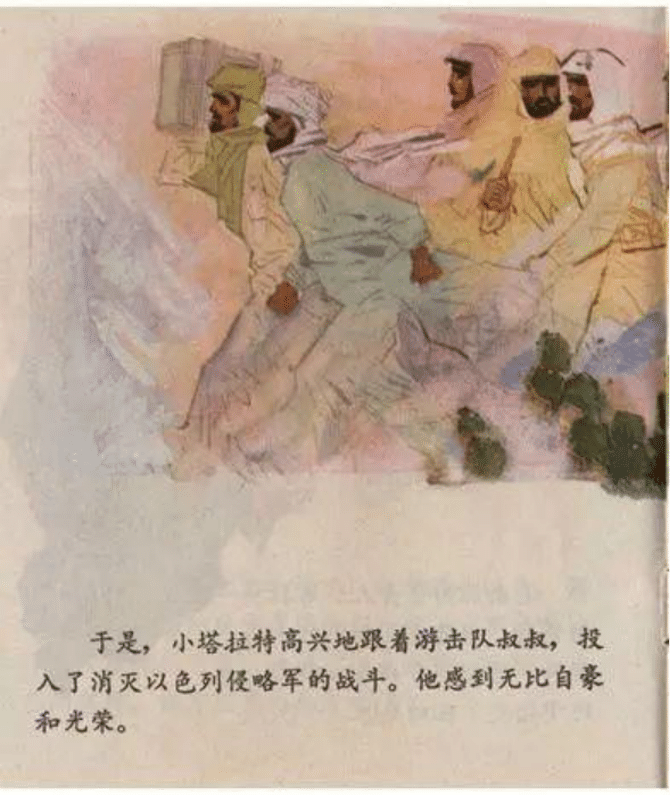
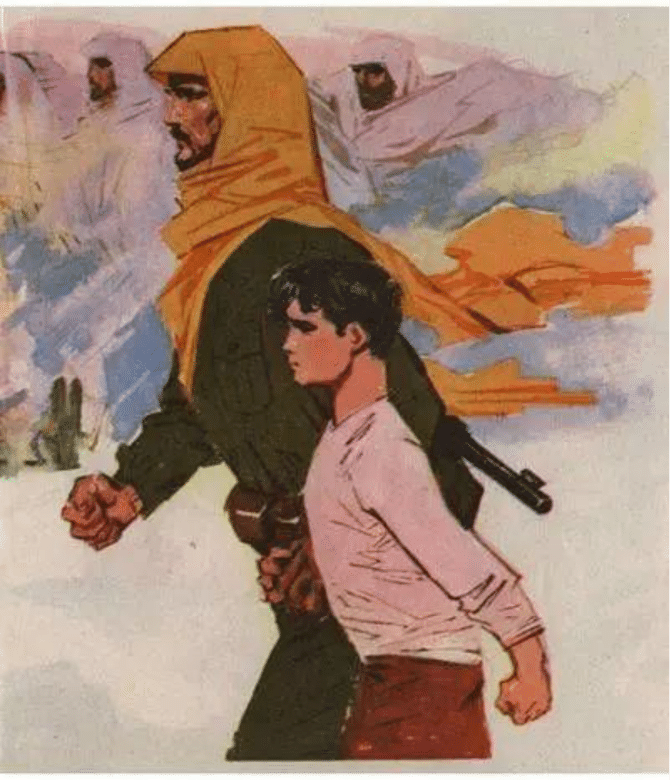
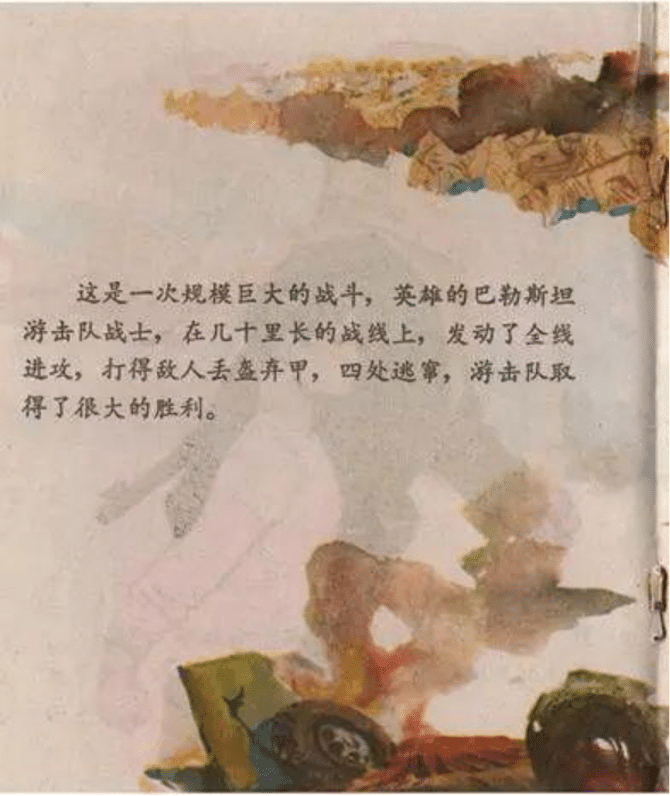
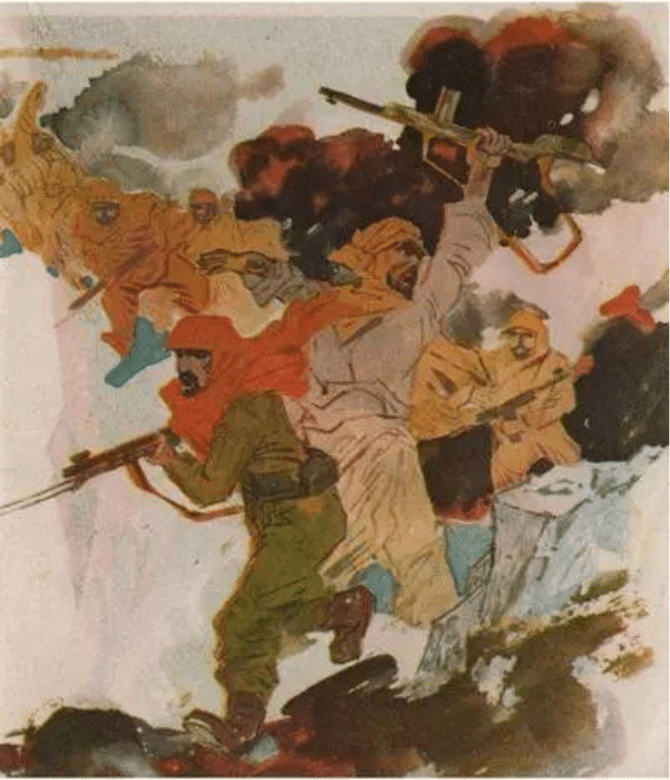
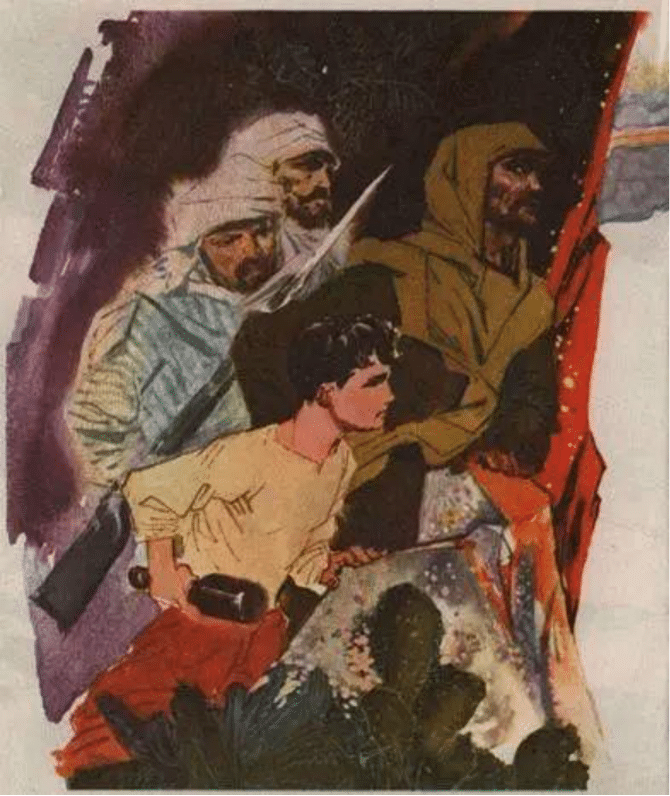
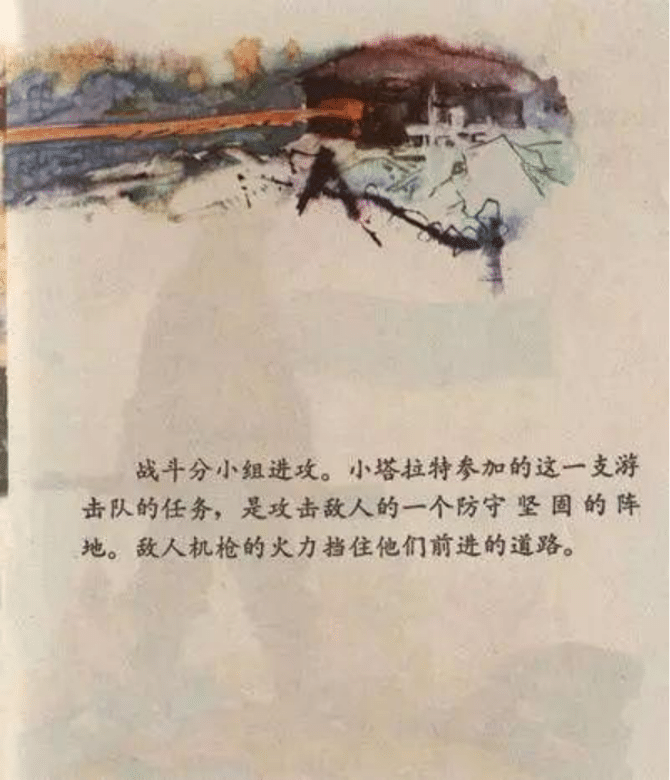
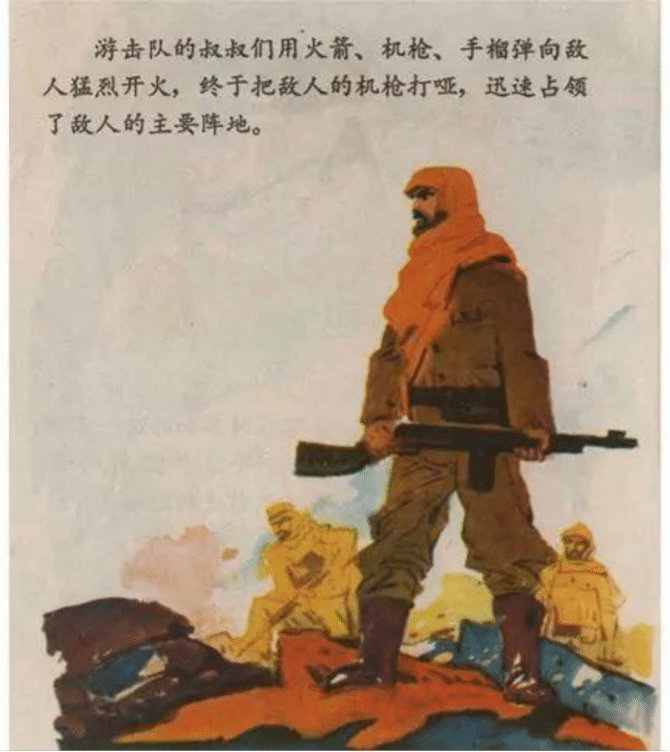
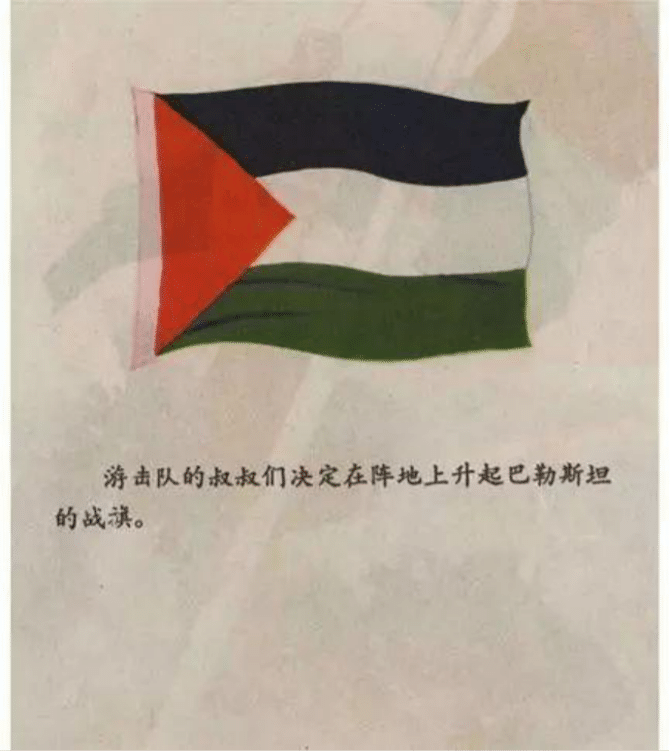
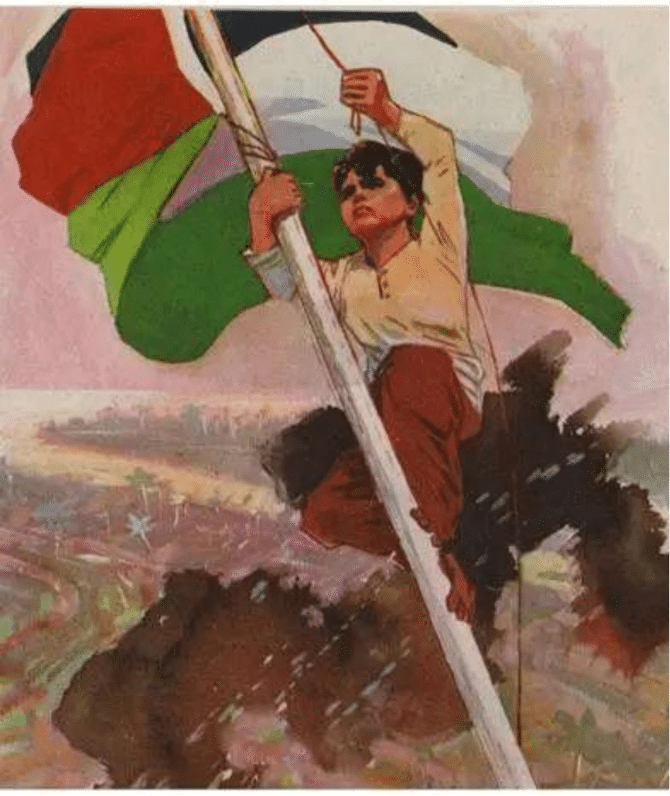
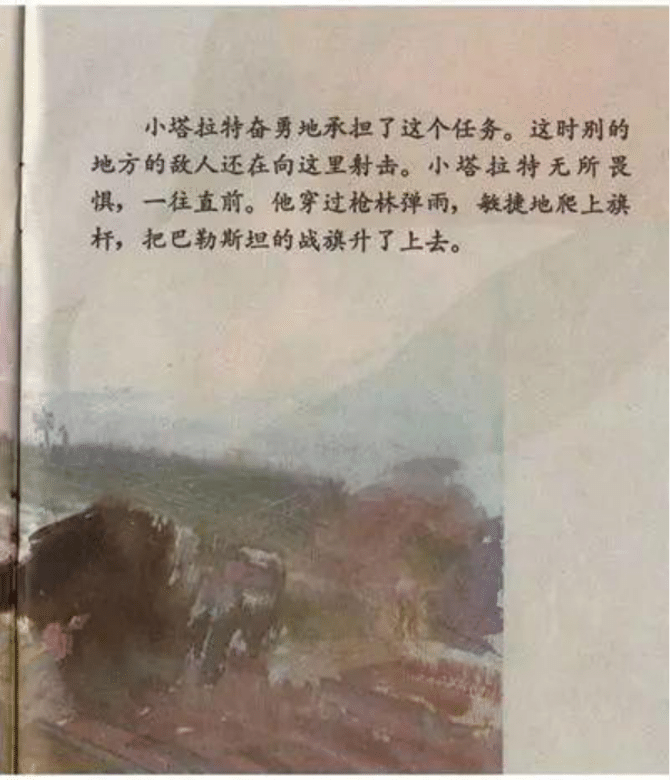
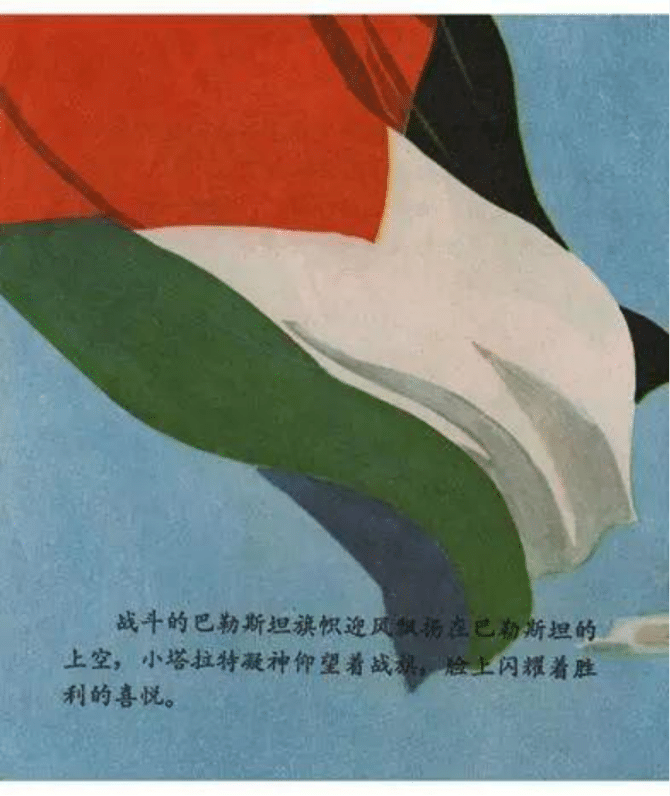
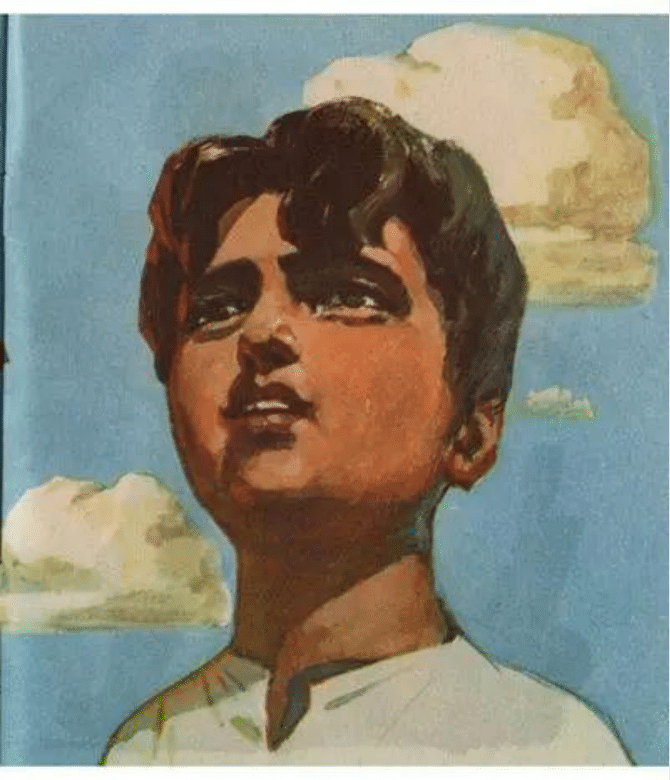
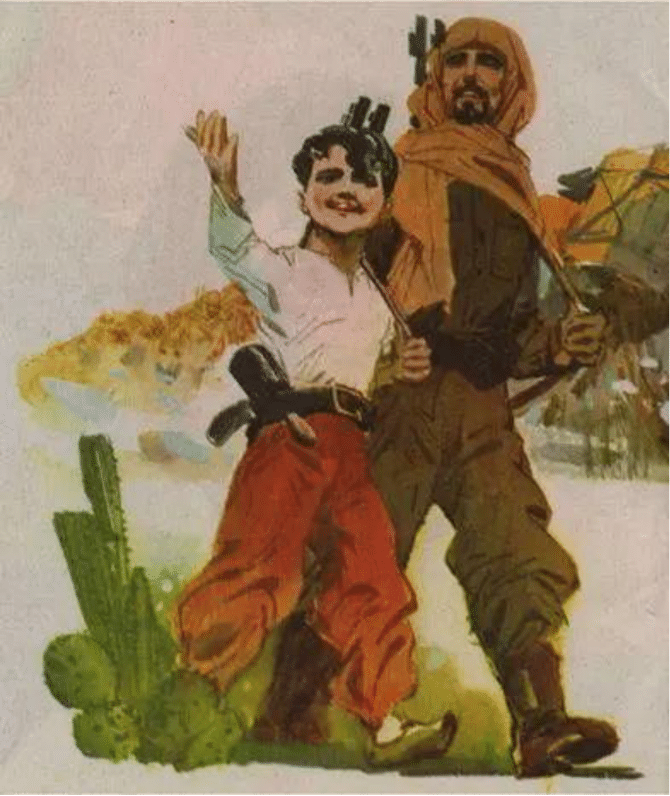
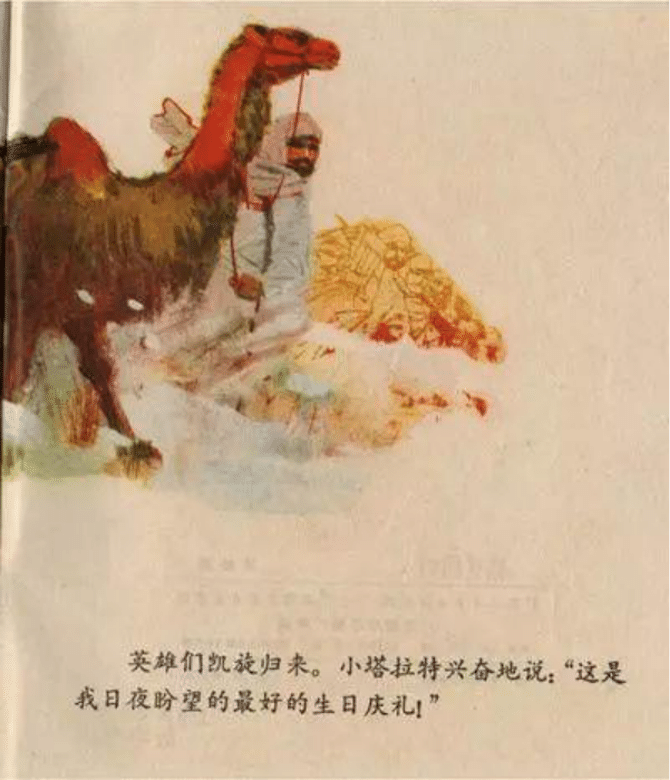
Maoist China had a rich legacy of support for national liberation movements in literature and art. Fluttering Battle Banners (1971, 战旗飘飘) is a 20-page-long picture book about Palestine intended for children. Two others of the same genre are two-page long short serial picture books (连环画) published in the Children’s magazine Little Red Guard (红小兵): “Palestinian Little Hero named ‘Happiness’” (1970, 巴勒斯坦小英雄——幸福) and “Two Little Heroes” (1969, 两个小英雄). They conveyed Third World struggles in a “domesticated” way via themes already familiar to Chinese children. Compared to “Internationalist” children’s literature published in the capitalist world, these works depict children as political agents active in armed struggles instead of innocent, pure beings capable of fostering transnational understandings and empathies. The theme of guerrilla warfare in foreign lands developed the simultaneity of struggles across borders and summoned children to the “continuous revolution.” In other words, the deliberate choice of familiar themes made internationalism “domesticated” in China.
The three works on the Palestinian struggle bore characteristics of the Cultural Revolution period’s children’s literature. They emphasized glorifying outstanding heroes and conveying political messages, but paid less attention to the storytelling medium and limited the particularity and complexity of characters. During the Cultural Revolution, children’s education, in which children’s literature played a big role, stressed children’s role as successors to the revolution and agents in the class and national liberation struggles, rather than as pure, innocent subjects with potential to lead mutual understanding and sympathy in the adult world. In children’s literature, children were portrayed as guerrilla warfare fighters in different times and spaces. They were in the Chinese civil war, the Anti-Japanese War, the Palestinian national liberation, and so on. The frequent choice of the guerrilla warfare theme is a deliberate one. Guerrilla warfare includes struggles between powers of unbalanced strength. Children who couldn’t match adults in physical strength could exert their distinct influence “behind the enemy line” (敌后战场), often in logistics and espionage, by their intelligence instead of physical power. Thus, as Little Soldier Zhang Ka (1964) and “Sparkling Red Star” (1974) show, the emphasis on children’s political roles doesn’t necessarily mean their roles and expectations are completely the same as adults. Rather, the construction of revolutionary figures with child-like dispositions won them success.
Internationally, guerrilla warfare was the method of armed struggle that Mao exported to the Third World. Mao said in a conversation in 1965 with the Palestine Liberation Organization (PLO) Delegation to China:
There were two methods; you fight your way and I’ll fight my way. Whatever the military logic, it can be reduced simply to these two sentences. What is you fight your way? He seeks me out to fight but cannot find me, thus ending abortively. What is I’ll fight my way? We concentrate a few army divisions and brigades, and eat him up.
Domestically, guerrilla warfare themes in internationalist children’s literature, besides giving readers “essential political knowledge about the decolonizing history of the Third World”, developed a “sense of temporal simultaneity and spatial situatedness within a global revolutionary community” and “intended to perpetuate continuous revolutions against feudalism, revisionism, and imperialism.”
In the Cultural Revolution, the mission to “bring up successors to the proletarian revolution” became more urgent. Children’s literature had to fulfill this mission by presenting child revolutionary heroes to them, including the Palestinian child guerrillas. The political message was that revolution is not a finished project, but a continuing process. Its activity in parts of the Third World still dominated by imperialism justified its continuous presence domestically. Children were summoned to follow not only the revolution of their parents’ generation but also the revolution of their fellow children and adolescents in the Third World. Such political summoning defined children’s literature in the Cultural Revolution, whether internationalist or not. Instead of being cherished and protected in families and schools, children, adolescents, and youths were called out to the praxis of production and politics. Of course, they could not be physically summoned to the hills and deserts of Palestine to practice internationalism, but the simultaneity developed by internationalist literature taught them that their present, mission, and future were tightly linked to those of the Palestinian children.